by smilecitadel.com | Jun 28, 2024 | Dental Treatments
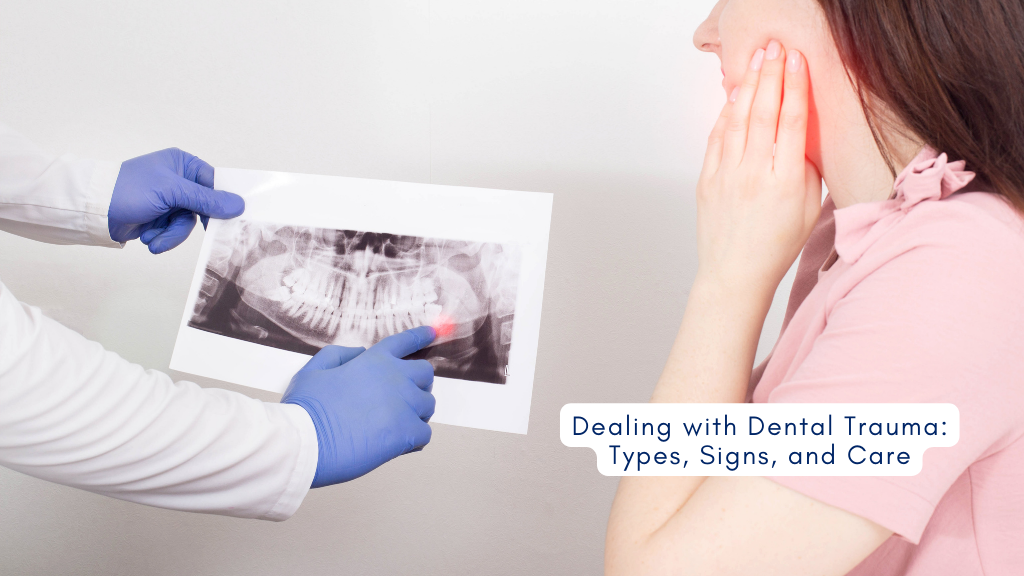
Dental injuries can happen unexpectedly and cause pain and discomfort. It’s important to be able to identify the different types of dental trauma and their symptoms, as well as know how to provide first aid treatments. This blog will help you understand what injured teeth mean and how to respond appropriately.
Types of Dental Trauma:
Tooth Fractures: This happens when a part of the tooth fractures due to impact or injury. Fractures can vary from minor chips to major breaks that expose the tooth’s inner layers.
Tooth Displacement: Tooth displacement occurs when a tooth is moved from its regular position. This can occur either partially (subluxation) or fully (luxation) in a way that disrupts smiles and makes the place and function of the tooth unstable. Symptoms can be neuralgia (sharp, intense pain) and trismus (difficulty closing the mouth properly), followed by swelling, which is usually quite significant.
Avulsed Tooth: In layman’s terms, an avulsion means that the tooth is totally knocked out from the socket that is compressed because of injury. After all, the tooth must be extracted immediately to prevent any irreversible loss. Symptoms involve bleeding, pain, and extensive tissue damage around the tooth and on the visible tooth structure.
Symptoms of Dental Trauma:
- A tooth or an area around it is painful or uncomfortable.
- The gums or face may swell or bruise.
- Teeth or mouth bleeding.
- Biting or chewing is difficult.
- Pressure, heat, or cold sensitivity.
Treatment for Dental Trauma:
Immediate First Aid: To take care of an injured mouth, rinse it with warm water and gently remove any visible debris in the affected area. If a tooth gets knocked out, hold it by the crown (top part) and try to reinsert it back into the socket. If it’s impossible, store the tooth in milk or saliva until you can see a dentist.
Visit a Dentist: It is crucial to seek immediate dental attention for severe injuries. A dentist will examine the extent of the trauma and suggest suitable treatment options, which may include:
- Fractured teeth can be filled or bonded.
- Displaced teeth can be repositioned or splinted.
- Replace or re-implant avulsed teeth.
Pain Management: Over-the-counter pain relievers can be helpful in reducing discomfort while waiting for a dentist appointment. It’s important not to apply aspirin directly to the injured tooth or gums, as this can cause further irritation and discomfort in the mouth.
Follow-up Care: Your dentist will determine the number of follow-up appointments required based on the severity of your dental injury and the progress of your healing rate. They may also make changes to your treatment plan during the monitoring process.
It is important to treat dental injuries promptly and effectively to prevent further damage and maintain good oral health. By identifying the type of dental injury and its accompanying symptoms, providing appropriate first aid, and scheduling a visit to the dentist, you can consistently manage dental injuries and achieve positive dental health outcomes.
by smilecitadel.com | Jun 28, 2024 | Dental Treatments
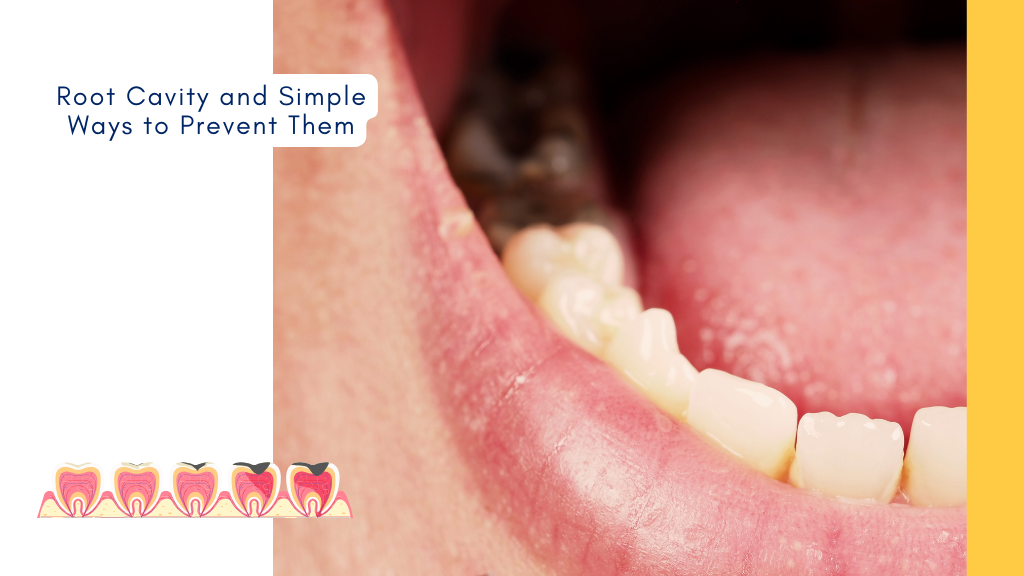
The formation of root cavities, dental cavities, or caries in the enamel layers creates a real risk to oral health. They can cause discomfort and pain and, in extreme cases, lead to tooth loss. The risks associated with root cavities can be serious, and a simple prevention strategy is to keep teeth healthy and cavity-free.
We are all going to learn the basics of root cavities, the risks they can create, and valuable tips on how to keep your teeth cavity-free.
What are Root Cavity?
Root cavities happen when the enamel surface wears down, revealing the softer dentin underneath. Root caries typically occur on the tooth’s roots, which are usually covered by gum tissues, unlike most caries that affect the crown. Poor diet options, such as consuming too many sweets and soft drinks, and inadequate oral hygiene can lead to the development of root cavities.
Risks of Root Cavities:
Tooth Sensitivity:
Tooth decay is when the white enamel on the tooth surface wears away over time. This exposes the underlying dentin, which can become sensitive to hot or cold temperatures. This sensitivity can cause discomfort when consuming hot, cold, or sweet foods and drinks.
Pain and Discomfort:
Advanced oral cavities are not only loosened parts but also deepen into chronic pain and discomfort. The affected area may become inflamed, further worsening the condition and potentially causing more serious dental problems.
Tooth Infections:
When we don’t treat the root cavities, then this can lead to bacterial infections. This happens when bacteria enter the inner pulp of the tooth, which can cause inflammation and abscess formation and spread the infection to surrounding tissues.
Tooth Loss:
Root cavities that have not been taken care of result in tooth loss. It is important to consult the dentist to prevent tooth loss. As decay advances, the tooth’s structural integrity diminishes, weakening it to fractures and weak forces from supporting structures.
Preventing Root Cavities:
Brushing and Flossing:
One of the basics of good dental practices is regular daily brushing and flossing. Apply the fluoride toothpaste to a soft-bristled toothbrush and softly scrub your teeth twice a day. Don’t forget that you’ll need to carefully floss between your teeth, too, so that the plaque and food particles left behind that your toothbrush missed don’t cause cavities.
Fluoride Treatment:
Fluoridation of water supply is a treatment of adding fluoride minerals to water. Fluoride is one of the refreshing factors of tooth enamel, which makes teeth stronger against dental decay. Fluoride mouthwashes and toothpastes, such as those with 0.25% sodium fluoride, can be very helpful. Also, consult with your dentist regarding the availability of professional fluoride treatments during your normal dental examinations.
Balanced Diet:
A careful diet balance is a major reason for the slicing of root cavities. Be cautious of foods that are filled with sugar and acidic foods or beverages since these can rot the enamel and cause cavities.
Regular Dental Checkups:
Regular dental checkups are important for our dental health; they help in the early detection of underlying problems. Your dentist can detect wounds or cavities at the root of the teeth, administer professional cleanings, and provide you with mouth care advice.
Avoid Tobacco Products:
The use of tobacco products by smoking and other ways are the reasons contributing to the formation of root cavities and other dental health problems. Try to avoid tobacco products for your teeth health.
Stay Hydrated:
Drinking lots and lots of water will ensure that the inner environment of the oral area is balanced. Water removes food particles, bacteria, and acids that could simulate cavity formation. This process becomes natural when you take frequent sips of water, even after eating acidic or sugary foods.
Conclusion:
People need to know the risks of root caries in order to care for their teeth properly. Simple strategies like oral hygiene maintenance with a balanced food intake, fluoride treatments, support groups, no smoking, and staying hydrated can prevent common tooth cavities, which begin at tooth roots. So follow basic dental care steps and keep your teeth super shiny.
by smilecitadel.com | Jun 18, 2024 | Dental Care
Maintaining clean and healthy teeth is crucial for a radiant smile and overall well-being. Still, the buildup of dental calculus or tartar can put your oral health at risk. This guide will provide you with an in-depth understanding of dental calculus, why it’s harmful, and, most importantly, how to avoid it and treat it effectively.
Understanding Calculus teeth:
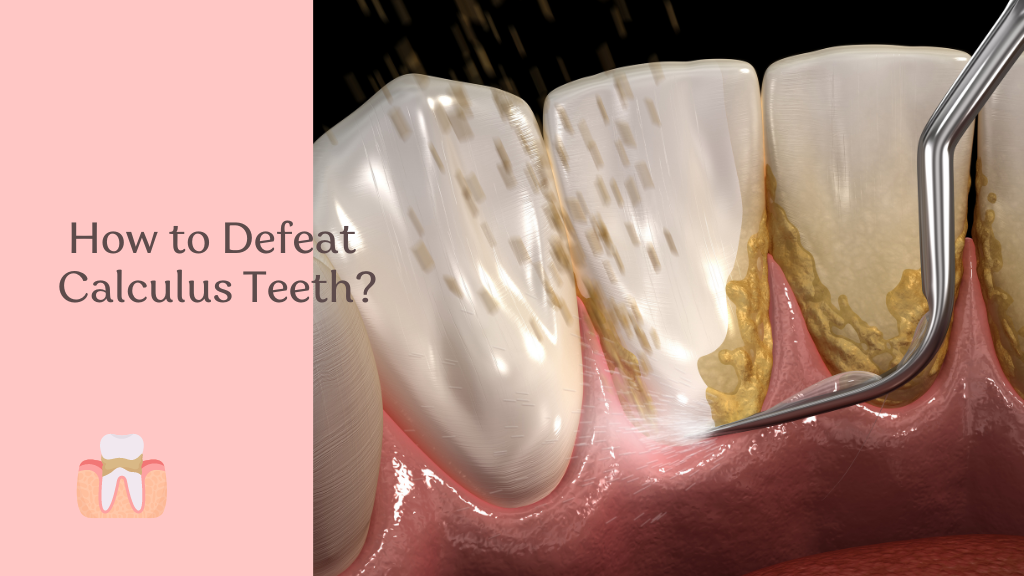
Tartar (dental calculus), a hard, yellowish deposit resulting from the mineralization of plaque, a problematic sticky film consisting of bacteria present on a tooth at all times, can form on teeth if not properly brushed. Tartar also carries bacteria that lead to gingivitis, a less severe form of gum disease, and other oral health problems. Thus, tartar is another problem that an individual should like to prevent as early as possible.
The Dangers of Dental Calculus:
There are several risks associated with dental calculus, including:
Gum Disease: Plaque deposits can trigger soreness/irritation to the gums signs of which are inflammation and gingivitis. The worst thing about gingivitis, the first level of gum disease, is that if not treated. It can turn into periodontitis, which is the second level of gum disease, which can cause the loss of teeth from the mouth.
Tooth Decay:
Calculus Teeth cause a rough surface, as plaque can attach more and demand a higher rate of removal since tartar plaque is implanted in the interdental spaces and is harder to reach.
Bad Breath:
Along with food particles that have been rupturing between the teeth and gums, bacteria can also trap tartar, producing foul-smelling compounds that leave the individual with persistent bad breath.
Preventing Dental Calculus:
Preventing calculus teeth is essential to maintaining healthy teeth. Follow these tips to keep your teeth tartar-free:
Brush Twice Daily:
In addition to brushing your teeth with fluoride toothpaste twice daily and a soft toothbrush, which should ideally take at least two minutes, you also need to clean all tooth surfaces.
Floss Daily:
Flossing is an ideal approach to get rid of plaque and remove food particles from between teeth and around the gumline, which can be hard to reach when brushing.
Eat a Balanced Diet:
Replacing sugary and starchy foods with fermented products as fuel for bacterial growth. Moreover, choose a diet that consists of fruits, vegetables and dairy.
Regular Dental Checkups:
It is absolutely recommended that you get dental services at least twice per year from a dentist for professional cleanings and examinations. When you come in for your dental cleaning, the dentist will remove the buildup of hard plaque and discover any gingivitis or other oral health problems in the early stages.
Quit Smoking:
Smoking leads to greasy dental films that may worsen the suffering of periodontal disease. Quitting smoking will happen to be one of the steps you need in order to have better oral health if you already smoke.
Treating Dental Calculus:
The tartar is the main cause of tooth decay, which could be eliminated when the dentist performs a procedure called scaling. When scaling, your dentist and dental hygienist will employ professional instruments to get rid of encrusted tartar from the tooth surfaces and the gum line. In certain circumstances, root planing is incorporated to prepare it so that it is not rough, ensuring that there will be no tartar buildup.
Conclusion:
Maintaining good oral hygiene and routine visits to the dentist are essential for preventing and healing dental temptation and maintaining a positive smile. By following these tips, as seen in the guidance provided, you can succeed over calculus in your teeth and hence maintain good oral health forever.

by smilecitadel.com | Jun 18, 2024 | Oral Health Tips
Hey there, Mom-to-be! Congratulations on the great news of your pregnancy! As you get ready to welcome your little one, taking care of your overall health, including your oral health, is essential. Don’t overlook the importance of maintaining good dental hygiene during pregnancy. As it can impact not only your own well-being but also that of your baby. Below are some easy-to-follow tips to help you keep your teeth and gums healthy throughout your pregnancy journey.
Embrace Your Toothbrush:
Let’s start with the basics-brushing your teeth. It’s a simple yet powerful habit that you should maintain at least twice a day, especially during pregnancy. Use a toothbrush with soft bristles and circular motions to clean all parts of your teeth. Remember, it’s not about the force but the consistency and thoroughness of your brushing.
Flossing is Your Friend:
Even though brushing is an excellent habit, it cannot get between your teeth, where food enters and takes temporary residence along with a plaque. It’s under this brushing role that flossing becomes necessary. Floss as part of your daily routine to get rid of food and bacteria. Floss daily between your teeth to get rid of the buildup of plaque, as well.
Snack Wisely:
Pregnancy allows for the development of some strong cravings; you must select healthier snacking choices like fruits, veggies and yogurt to counter the sweets around you at all times. Besides, these eating options are nutritious for your body in addition to proper dental health, hence a lesser probability of cavities or gum disease.
Stay Hydrated with Water:
Water is a true friend of your mouth. It incorporates the washing out of food particles and bacteria, which will keep your mouth tidy and hydrated. In addition to that, it does not contain sugar, and thus, it can not be concluded that it will cause tooth decay as opposed to sugary drinks.
Schedule Regular Dental Check-ups:
Remember to take time for your visits even while you are pregnant. Not surprisingly, this is a very relevant tip throughout the whole period of pregnancy. Don’t forget to tell your dentist that you are pregnant, and they will most likely use alternative techniques to provide you with an optimal comfort level and safety measures.
Kick the Tobacco Habit:
Smoking and snapping tobacco are very dangerous for you as well as for your unborn baby. It can cause the formation of caries, periodontal diseases, and other oral health issue.
Combat Morning Sickness:
Pregnant women often deal with nausea, but oral hygiene can be impacted because the mouth is more acidic, owing to morning sickness. If you happen to suffer from morning sickness, proceed to rinse off your mouth with some water or tartar-fighting mouthwash afterwards to balance acids and safeguard your teeth from decay.
When it comes to taking care of your oral health during pregnancy, you should remember that it’s not just about looking good! More importantly, it’s about ensuring your overall health and well-being, as well as setting the stage for a healthy start for your little one. So, it’s crucial to keep up with these simple yet essential oral hygiene habits. This will ensure a happy, healthy pregnancy journey for you and your baby.
by smilecitadel.com | May 7, 2024 | Dental Procedures
Maintaining good oral hygiene is important to ensure healthy teeth and gums. However, despite our best efforts, cavities may still develop. It is important to promptly address any cavities as they can further damage the tooth. Dental fillings are one of the many tools dentists use to repair the surface of a tooth that has been damaged by decay.
Currently, there are multiple types of dental fillings available for individuals. Each type has its own advantages and disadvantages. In this regard, let’s explore some of the most commonly used options for dental fillings.
Amalgam Fillings:
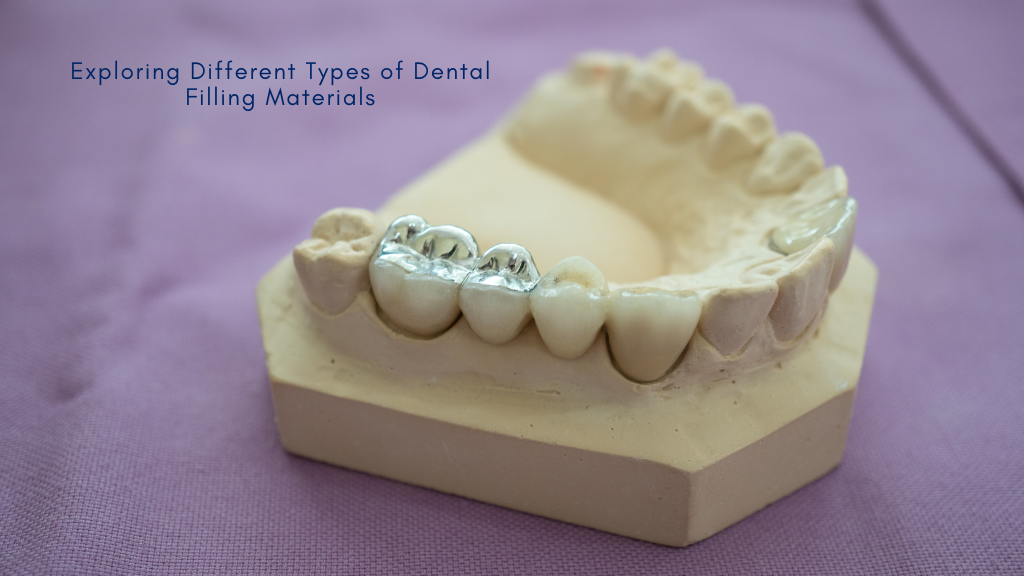
It is, also known as silver fillings It is used in dentistry for over a century. They are made up of a mixture of metals, including silver, tin, copper, and mercury, and are a preferred option due to their durability and affordability. However, some patients may feel uneasy about the presence of mercury in the fillings. Notably, the amount of mercury in amalgam fillings is minimal and considered safe.
Composite Fillings:
Composite materials are a combination of plastic resin and ground white glass particles. They are used for dental fillings and are either white or lightly stained, giving them a natural appearance. They are ideal for visible areas of the mouth because their colour can be matched to the patient’s teeth. Unlike conventional fillings, composite fillings are directly bonded to the tooth structure, requiring less tooth preparation. This results in more healthy tooth structure being preserved. However, they are only suitable for small to medium-sized cavities and are not as durable as amalgam fillings. This means that they may need to be replaced sooner than amalgam fillings.
Ceramic Fillings:
Tooth-colored ceramic fillings that are made from a high-quality material, often referred to as porcelain, are the inlay/onlay alternative. Furthermore, they are designed to resemble one’s natural tooth enamel. These amalgams are all crafted in a professional dental laboratory. They are often used to fill in most of the cavities and for patients who prefer a more appealing aesthetic. Ceramic fillings, which are characterized by high resistance to abrasion and do not change their colour, are a perfect restoration method for patients with cavities. They are pretty expensive when compared to the other types of fillings.
Glass Ionomer Fillings:
Glass ionomer fillings are composed of a blend of glass and acrylic. They discharge fluoride, which helps in safeguarding the tooth from further decay. These fillings are frequently utilized in areas of the mouth that do not endure heavy chewing pressure, such as on the surface of a tooth close to the gum line. They are not as long-lasting as other types of fillings and may require replacement more often.
A patient should consider many variables while deciding on a suitable filling for a cavity. These criteria include the size and location of the cavity, budget and aesthetic desires, and the dentist’s recommendation. An essential step is to discuss the feasible options and the most preferable material for your filling with your dentist.
The purpose of dental fillings is to restore the health and function of decayed teeth. Today, patients have more options to improve their smiles thanks to advances in dental materials and techniques. There are different types of fillings available, including traditional amalgam, tooth-colored composite, ceramic, and glass ionomer. Although it can be expensive, restoring your oral health is definitely worth the cost.